Veterinary Dentistry in Minnetonka, Minnesota
Healthy Teeth. Happier Pets.
Dental disease is one of the most common health issues we see in dogs and cats. It can cause pain, infection, difficulty eating, and changes in behavior long before pet owners notice a problem.
At Glen Lake Animal Hospital, we provide veterinary dentistry services for dogs and cats in Minnetonka, Hopkins, Eden Prairie, and Excelsior. From professional dental cleanings and dental imaging to tooth extractions, our veterinary team focuses on protecting your pet’s oral health through preventative medicine and individualized care.
If your pet has bad breath, visible tartar, or it’s simply time for a dental evaluation, we’re here to help.
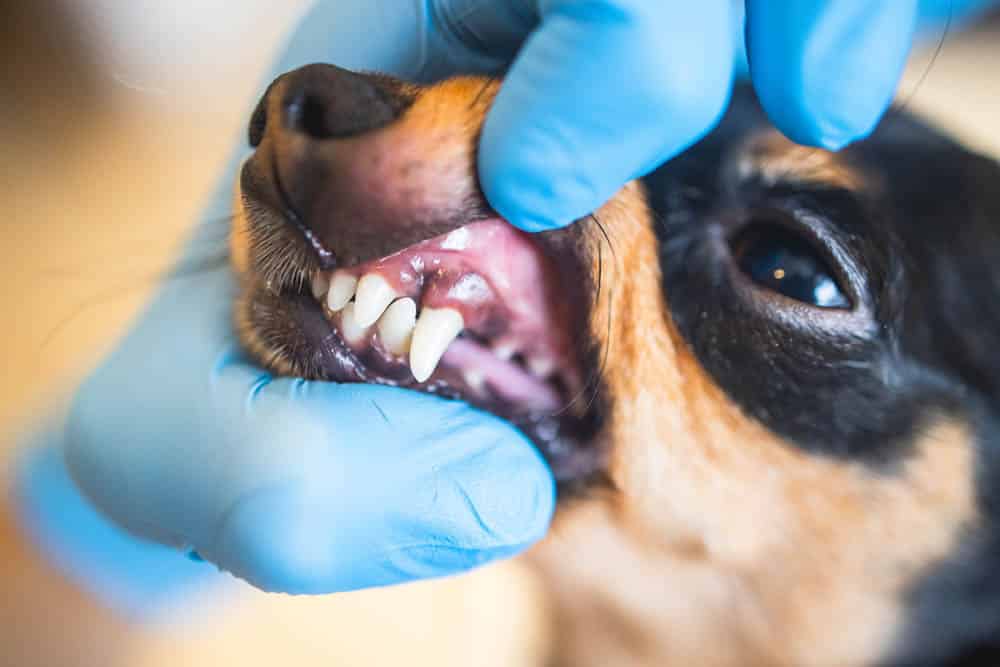
What Your Pet's Mouth Can Tell Us About Their Health
By age three, most pets have some degree of periodontal disease. This infection affects the gums and supporting structures around the teeth. Left untreated, it can lead to chronic pain, tooth loss, and infection.
The challenge is that much of dental disease develops below the gumline, where it can’t be seen during a quick look at your pet’s mouth.
Routine veterinary dental care can help:
- Reduce plaque and tartar buildup
- Identify dental disease earlier
- Improve comfort and quality of life
- Protect healthy teeth and gums
- Support long-term wellness
Regular wellness visits and dental evaluations allow our veterinary team to catch issues before they become bigger problems.
Veterinary Dental Services at Glen Lake Animal Hospital
Professional Dental Cleanings
Professional dental cleanings remove plaque and tartar from above and below the gumline, where periodontal disease often begins.
During the procedure, our veterinary team evaluates your pet’s oral health, thoroughly cleans the teeth, and polishes them to help slow future plaque accumulation.
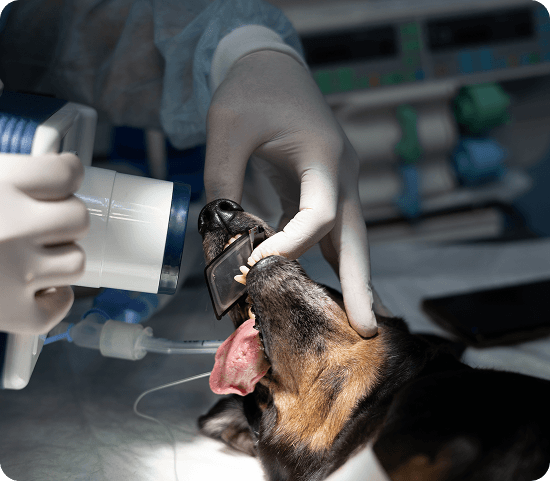
Dental Imaging (Dental X-Rays)
A large portion of every tooth exists beneath the gums. Dental X-rays allow our veterinarians to evaluate tooth roots, bone structure, and areas that cannot be seen during a visual examination.
Dental imaging helps identify:
- Fractured teeth
- Tooth root infections
- Bone loss
- Retained roots
- Advanced periodontal disease
- Other hidden dental concerns
Dental X-rays are an important part of modern veterinary dentistry because they help us make informed treatment recommendations.
Tooth Extractions
Sometimes a damaged or diseased tooth cannot be saved. In those cases, extraction may be the best option for relieving pain and preventing ongoing infection.
Our veterinarians carefully evaluate each patient and recommend treatment based on their specific needs. The goal is always a healthier, more comfortable mouth.
Signs It May Be Time for a Dental Evaluation
Dental problems are not always obvious. Many pets continue eating and acting normally even when significant disease is present.
Contact our veterinary team if you notice:
- Persistent bad breath
- Red, swollen, or bleeding gums
- Visible plaque or tartar buildup on the teeth
- Difficulty chewing
- Dropping food
- Loose or broken teeth
- Pawing at the mouth
- Facial swelling
- Reduced appetite
Early treatment often means a simpler procedure and a more comfortable recovery.
Dental Care for Dogs and Cats
Every pet is different. That’s why we take an individualized approach to veterinary dentistry.
We care for dogs and cats of all ages and regularly work with brachycephalic breeds, sporting and performance dogs, breeding dogs, and service dogs. These “dogs with jobs” often have unique health and lifestyle considerations, making routine dental care an important part of their overall wellness plan.
Our focus is always whole-animal care. Healthy teeth and gums support comfort, nutrition, and quality of life at every stage.
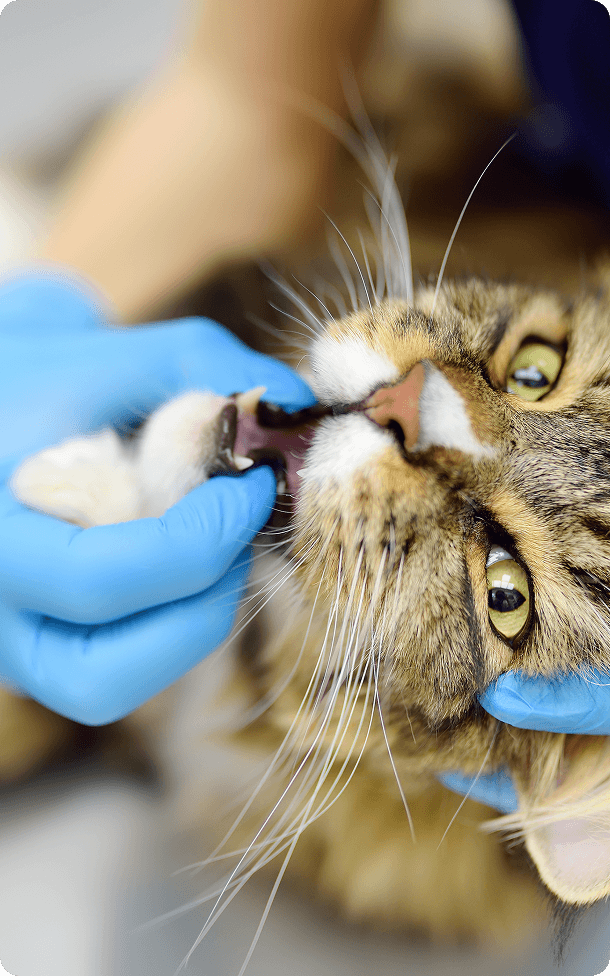
What to Expect During a Dental Procedure
Knowing what happens during a dental visit can help pet owners feel more prepared.
A typical dental procedure includes:
- Physical examination and treatment planning
- Anesthesia and patient monitoring
- Professional dental cleaning
- Dental X-rays
- Evaluation of findings
- Tooth extractions or additional treatment if needed
- Recovery and discharge instructions
Our veterinary team will discuss recommendations and answer questions before and after your pet’s procedure.
At-Home Dental Care Tips
Professional cleanings are important, but home care also plays a role in maintaining oral health.
You can help by:
- Brushing your pet’s teeth regularly
- Using veterinary-approved dental products
- Offering dental chews when appropriate
- Scheduling routine wellness exams
- Monitoring for changes in eating habits or breath
A few minutes of home care can make a meaningful difference over time.
Why Choose Glen Lake Animal Hospital?
Glen Lake Animal Hospital has been part of the community for decades, providing personalized veterinary care for generations of local families.
Our approach centers on tailored medicine, preventative care, and building long-term relationships with the people and pets we serve.
When your pet visits us for dental care, you’ll work with a team that takes the time to understand their needs, explain recommendations, and develop a treatment plan that makes sense for your family.
Let's Get Your Pet's Oral Health Back on Track
A healthy mouth can make a big difference in your pet’s comfort, health, and quality of life. Whether your dog or cat is due for a routine dental cleaning, needs dental X-rays, or requires treatment for a painful tooth, our veterinary team is here to help.
At Glen Lake Animal Hospital, we provide veterinary dentistry services for pets throughout Minnetonka, Hopkins, Eden Prairie, and Excelsior with a focus on individualized care and long-term wellness. Schedule an appointment online or call Glen Lake Animal Hospital at (952) 935-1232 today.


Do You Have More Questions?
Call us today at (952) 935-1232
Frequently Asked Questions
Frequently Asked Questions about Dentistry & Oral Health
How often does my pet need dental cleaning?
The answer varies by pet. Many dogs and cats benefit from annual dental evaluations, but our veterinarians will recommend a schedule based on your pet’s age, breed, and oral health.
Does my pet really need dental X-rays?
In many cases, yes. Dental X-rays help identify problems hidden below the gumline that cannot be detected during a visual examination alone.
What are signs of dental disease in pets?
Bad breath, tartar buildup, bleeding gums, difficulty chewing, loose teeth, and changes in appetite are all common signs.
Are tooth extractions painful?
Pets receive anesthesia, pain management, and monitoring throughout the procedure. Many pets are noticeably more comfortable after a painful diseased tooth is removed.
Can I prevent dental disease at home?
Regular brushing, dental products approved by your veterinary team, and routine professional care can help reduce plaque and tartar buildup.