
Diagnostic Imaging for Dogs and Cats in Minnetonka, Minnesota
When your pet isn’t feeling their best, diagnostic imaging can help us see what’s happening beneath the surface. At Glen Lake Animal Hospital, we offer digital X-rays, ultrasound, in-house echocardiograms, and access to mobile CT imaging to help diagnose injuries, illnesses, and underlying health conditions in dogs and cats.
Our veterinary team uses these tools alongside physical exams, laboratory testing, and your pet’s medical history to create individualized treatment plans and support whole-animal care.
If your pet needs diagnostic imaging, we’re here to help.
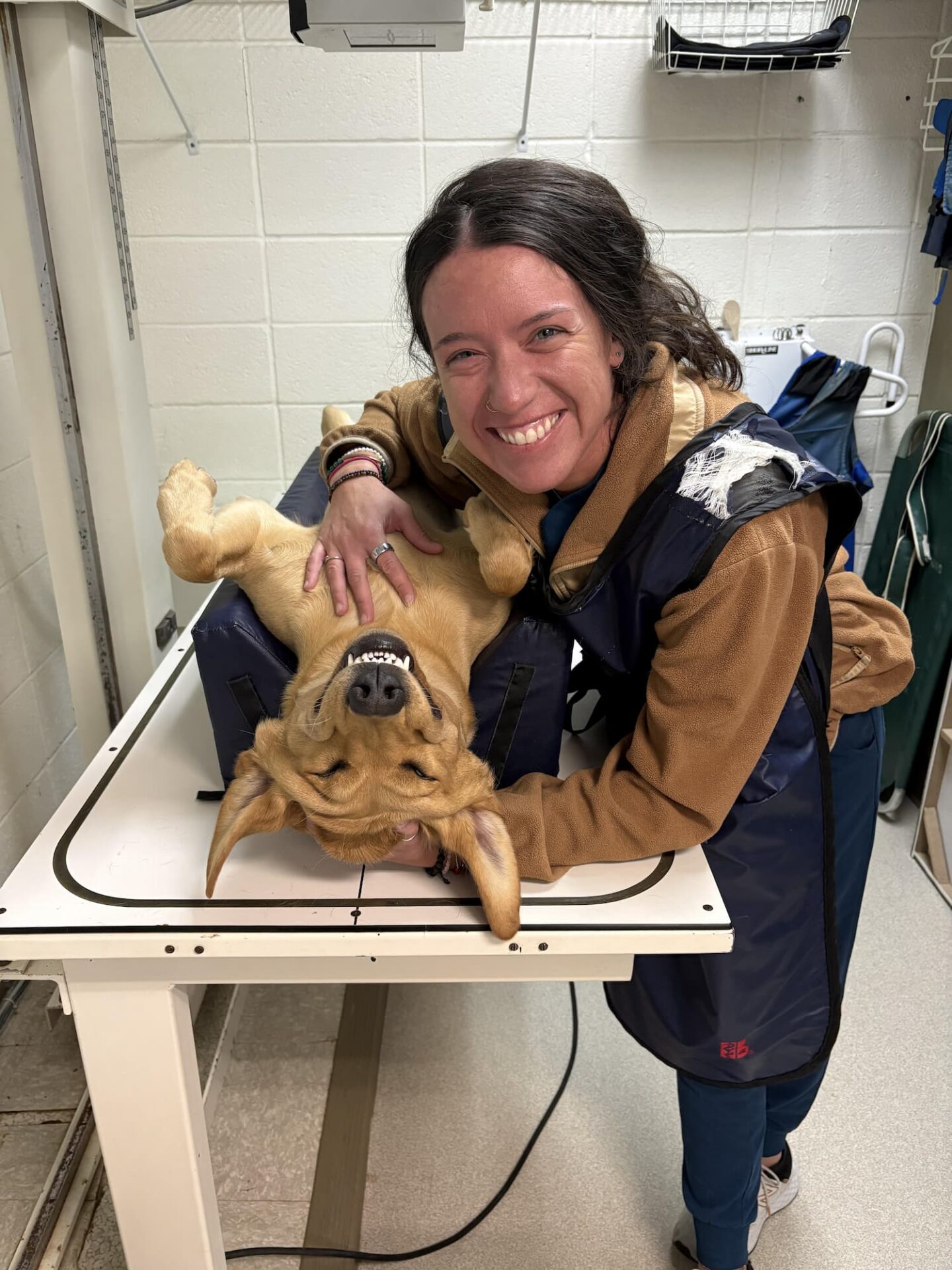
About Veterinary Diagnostic Imaging
Diagnostic imaging allows our veterinarians to evaluate structures inside your pet’s body without surgery. Different imaging tools provide different types of information, helping us diagnose conditions, monitor ongoing health concerns, and make informed treatment recommendations.
Depending on your pet’s symptoms, we may recommend:
- Digital X-rays
- Ultrasound
- Echocardiography
- CT imaging
Digital X-Rays for Pets
Fast, Detailed Imaging
Digital radiography is one of the most commonly used diagnostic tools in veterinary medicine. X-rays allow us to evaluate bones, joints, the chest, and the abdomen quickly and efficiently.
Digital X-rays may be recommended for:
- Fractures and orthopedic injuries
- Arthritis and joint disease
- Heart enlargement
- Lung conditions
- Foreign body ingestion
- Bladder stones
- Abdominal abnormalities
We also work with many sporting and performance dogs throughout the Minnetonka area. When active dogs develop injuries, radiographs often provide valuable information that helps guide treatment and recovery.
For breeding dogs, X-rays can also be used to assess litter size before whelping.
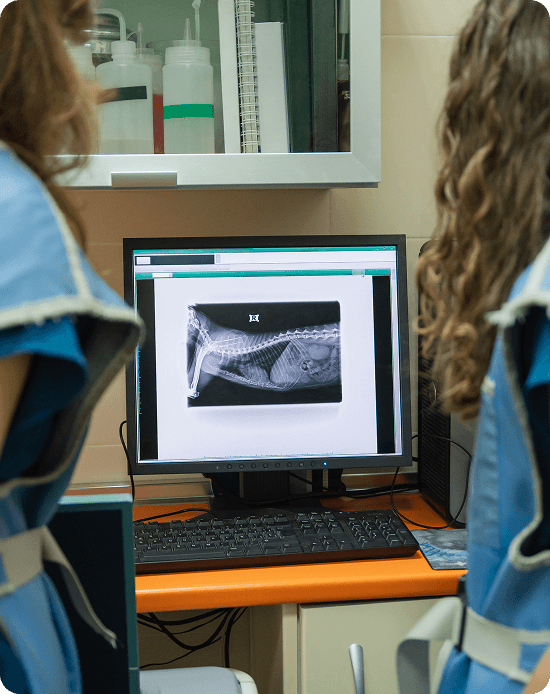
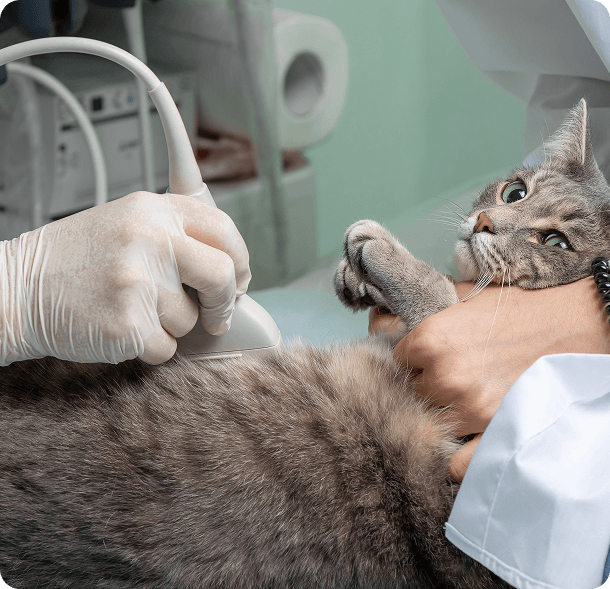
Veterinary Ultrasound
Evaluating Soft Tissues and Internal Organs
Ultrasound uses sound waves to create real-time images of internal organs and soft tissues. It allows us to evaluate areas that may not be visible on radiographs and can provide additional information about how organs are functioning.
At Glen Lake Animal Hospital, ultrasound services are provided through our partnership with traveling internal medicine specialist Dr. Lauren Cunningham of Greater Gains Advanced Veterinary Diagnostics.
Ultrasound is often recommended for pets experiencing:
- Chronic vomiting or diarrhea
- Weight loss
- Abdominal pain
- Changes in appetite
- Elevated laboratory values
- Suspected masses
- Fluid accumulation
Ultrasound can help evaluate the liver, kidneys, spleen, bladder, gastrointestinal tract, and other abdominal structures.
In-House Echocardiograms
Advanced Heart Imaging for Dogs and Cats
An echocardiogram is a specialized ultrasound that evaluates the heart’s structure and function. This imaging tool helps diagnose and monitor many cardiac conditions.
Our veterinary team may recommend an echocardiogram for pets with:
- Heart murmurs
- Irregular heart rhythms
- Breathing difficulties
- Exercise intolerance
- Known heart disease
Having echocardiography available in-house allows us to gather valuable information and develop treatment plans without unnecessary delays.
Mobile CT Imaging
Advanced Diagnostics When Additional Detail Is Needed
Some conditions require more advanced imaging than traditional radiographs or ultrasound can provide. In those cases, mobile CT imaging may be recommended.
CT scans create detailed cross-sectional images that help evaluate complex conditions involving:
- The nasal passages
- Orthopedic injuries
- Neurologic concerns
- Certain tumors
- Surgical planning
Access to mobile CT technology allows pets to receive advanced diagnostics while maintaining continuity of care with the veterinary team they know.
How Diagnostic Imaging Helps Guide Your Pet's Care
Diagnostic imaging helps us move beyond symptoms and identify the underlying cause of a problem.
Imaging may help:
- Diagnose injuries and illness
- Detect internal abnormalities
- Monitor chronic conditions
- Track healing after treatment
- Evaluate heart function
- Support surgical planning
The goal is simple: gather the information needed to make the best decisions for your pet’s health.
How Diagnostic Imaging Helps Guide Your Pet's Care
Diagnostic imaging helps us move beyond symptoms and identify the underlying cause of a problem.
Imaging may help:
- Diagnose injuries and illness
- Detect internal abnormalities
- Monitor chronic conditions
- Track healing after treatment
- Evaluate heart function
- Support surgical planning
Diagnostic Imaging for Dogs with Specialized Needs
Glen Lake Animal Hospital has extensive experience caring for brachycephalic breeds, sporting and performance dogs, breeding dogs, and service dogs.
We regularly work with dogs that have jobs, whether that’s competing in the field, supporting a family through service work, or participating in breeding programs.
These pets often have unique diagnostic and health monitoring needs. Advanced imaging allows our veterinarians to evaluate injuries, reproductive health concerns, respiratory conditions, cardiac function, and other issues that can affect performance and quality of life.
The Right Tools to Help Us Find Answers | Call Us Today!
When something isn’t quite right, diagnostic imaging can help us see the bigger picture. At Glen Lake Animal Hospital, we offer digital X-rays, ultrasound, in-house echocardiograms, and access to mobile CT imaging to help diagnose injuries, illness, and underlying health conditions in dogs and cats. Call (952) 935-1232 to schedule an appointment with our veterinary team.


Do You Have More Questions?
Call us today at (952) 935-1232
Frequently Asked Questions
Frequently Asked Questions about Diagnostics & Imaging
What imaging services do you offer?
We offer digital X-rays, ultrasound, in-house echocardiograms, and access to mobile CT imaging when needed.
Does my pet need sedation for imaging?
Many pets do not require sedation. If sedation is recommended for comfort or image quality, we’ll discuss it with you beforehand.
How long does diagnostic imaging take?
Most X-rays can be completed during your visit. Ultrasound, echocardiography, and CT imaging timelines vary depending on your pet’s needs.
When is an ultrasound recommended?
Ultrasound is often used to evaluate abdominal organs, investigate gastrointestinal symptoms, assess masses, and examine internal structures in greater detail.
What is the difference between X-rays, ultrasound, echocardiograms, and CT scans?
Each imaging tool provides different information. X-rays evaluate bones and many internal structures, ultrasound assesses soft tissues and organs, echocardiograms evaluate the heart, and CT scans provide highly detailed cross-sectional images.