Full In-House Laboratory for Dogs & Cats in Minnetonka, MN
When your dog or cat isn’t feeling well, you want answers.
At Glen Lake Animal Hospital, our veterinarians provide sick pet exams for dogs and cats in Minnetonka, Hopkins, Eden Prairie, Excelsior, and surrounding communities. Whether your pet has an upset stomach, an ear infection, a cough, or just isn’t acting like themselves, we’ll work to identify the cause and recommend the next steps.
Our approach is simple: individualized care, tailored medicine, and clear communication. Every pet is different, and every treatment plan should be too.
Why In-House Laboratory Testing Matters
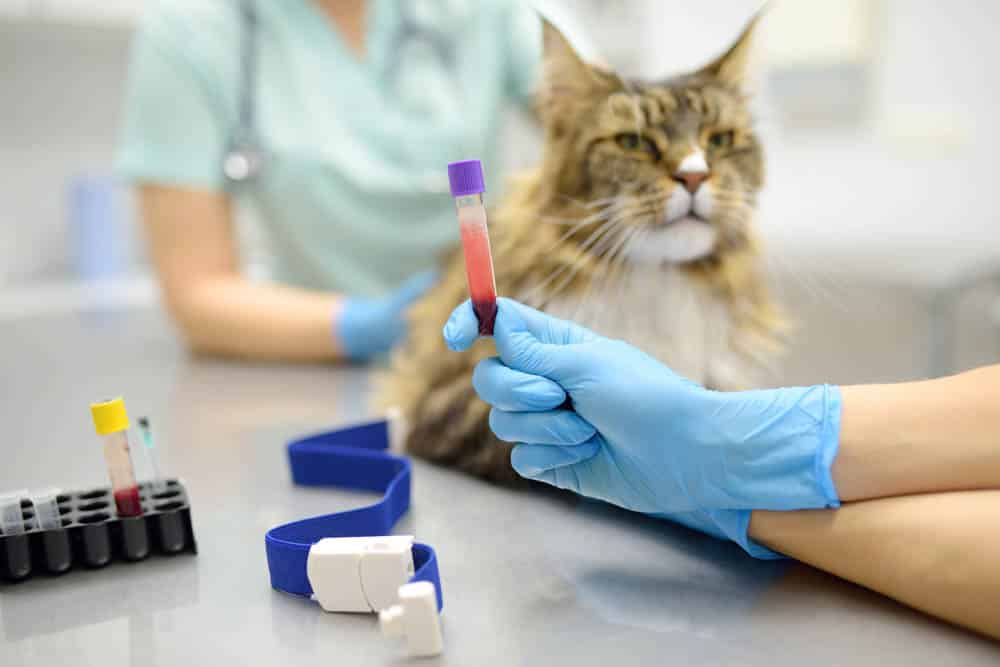
A physical exam tells us a lot, but laboratory testing often reveals what’s happening beneath the surface.
Many medical conditions develop long before obvious symptoms appear. Blood work, urinalysis, and other diagnostic tests help our veterinarians evaluate your pet’s health, detect disease earlier, and create treatment plans based on accurate information.
Benefits of in-house testing include:
- Faster results
- Earlier diagnosis and treatment
- Improved monitoring of chronic conditions
- Safer anesthesia and surgery
- Efficient emergency evaluations
- Greater peace of mind for pet owners
Preventative medicine is one of the best tools we have for helping pets live longer, healthier lives. Routine laboratory screening plays a major role in that process.
Our Veterinary Laboratory Services
Our in-house laboratory supports a variety of diagnostic services for dogs and cats.
Complete Blood Count (CBC)
A Complete Blood Count (CBC) measures your pet’s red blood cells, white blood cells, and platelets. This test provides valuable information about your pet’s overall health and can help detect:
- Infection
- Inflammation
- Anemia
- Immune system abnormalities
- Blood clotting concerns
Blood Chemistry Testing
Blood chemistry panels help assess the function of major organs and body systems, including:
- Liver
- Kidneys
- Pancreas
- Blood sugar regulation
- Electrolyte balance
These tests are commonly recommended during wellness exams, illness evaluations, and senior pet screenings.
Fecal Testing
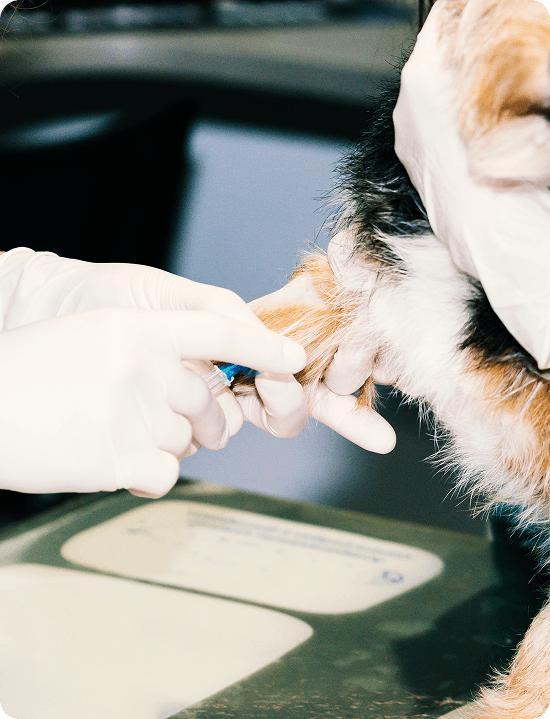
Many intestinal parasites cannot be seen without laboratory testing.
Routine fecal examinations help identify parasites that may affect your pet’s health and can be especially important for puppies, kittens, active outdoor pets, and dogs that spend time hunting, training, or competing.
Heartworm and Tick-Borne Disease Testing
Minnesota pets spend plenty of time outdoors, especially sporting and performance dogs.
Routine screening helps detect heartworm disease and common tick-borne illnesses before they lead to more serious health problems.
Urinalysis
Urinalysis provides important information about urinary tract health and kidney function.
This test can help detect:
- Urinary tract infections
- Kidney disease
- Diabetes
- Bladder inflammation
- Urinary crystals
Cytology and Microscopic Evaluation
Some conditions require a closer look.
Cytology involves examining cells collected from areas such as:
- Skin lesions
- Ear infections
- Lumps and bumps
- Areas of inflammation
This testing helps our veterinary team determine the next steps for diagnosis and treatment.
How Diagnostic Imaging Helps Guide Your Pet's Care
Diagnostic imaging helps us move beyond symptoms and identify the underlying cause of a problem.
Imaging may help:
- Diagnose injuries and illness
- Detect internal abnormalities
- Monitor chronic conditions
- Track healing after treatment
- Evaluate heart function
- Support surgical planning
The goal is simple: gather the information needed to make the best decisions for your pet’s health.
When Does My Pet Need Laboratory Testing?
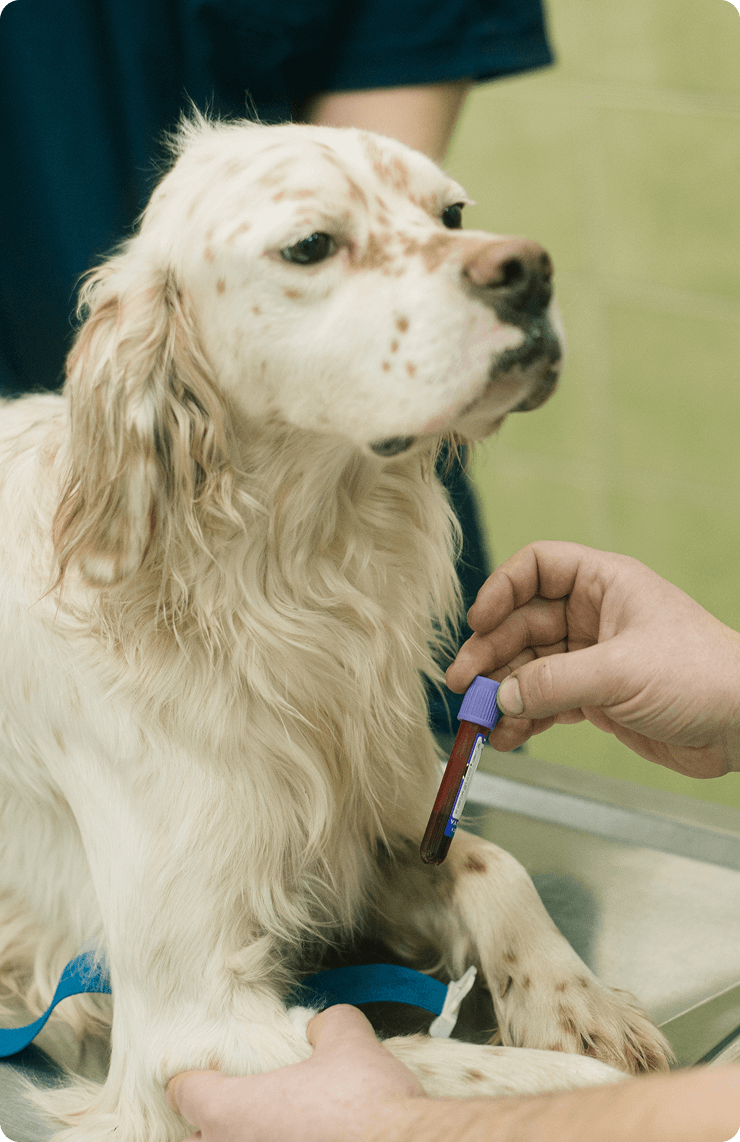
Laboratory testing is useful during many stages of your pet’s life.
Wellness and Preventative Care
Routine testing helps establish healthy baseline values and can identify developing health concerns before symptoms appear.
Senior pets often benefit from more frequent screening because age-related conditions may develop gradually.
Before Surgery
Pre-anesthetic blood work helps us evaluate organ function and identify concerns that could affect anesthesia or recovery.
This information allows our veterinarians to make recommendations tailored to your pet’s specific needs.
When Your Pet Is Sick
Laboratory testing may be recommended if your pet is experiencing:
- Vomiting
- Diarrhea
- Weight loss
- Increased thirst
- Changes in appetite
- Lethargy
- Urinary concerns
These tests help us move beyond symptoms and identify the underlying cause.
For Sporting, Working, and Breeding Dogs
We see many sporting and performance dogs throughout the Minnetonka area, including retrievers, spaniels, pointers, and other active breeds.
We also care for service dogs, breeding dogs, and what we affectionately call “dogs with jobs.”
Routine laboratory monitoring can help support overall health, evaluate performance-related concerns, and provide valuable information throughout a breeding program.
Why Choose Glen Lake Animal Hospital?
For more than sixty years, Glen Lake Animal Hospital has cared for generations of pets and families throughout Minnetonka and surrounding communities.
Our approach focuses on tailored medicine and individualized care. We take the time to understand the whole picture, not just a lab result.
Having diagnostic testing available on-site allows our veterinary team to gather information quickly and discuss findings directly with you. That means fewer delays and a clearer path forward for your pet’s care.
Whether we’re evaluating a young puppy, a senior cat, a sporting dog, or a working service dog, it’s a privilege to be part of their healthcare journey.
Get Answers Faster with Our In-House Laboratory
When your dog or cat isn’t feeling quite right, having access to timely diagnostic information can make all the difference. At Glen Lake Animal Hospital, our in-house laboratory helps our veterinary team evaluate your pet’s health quickly so we can make informed recommendations and start treatment sooner when needed.
Whether your pet is due for routine wellness screening, preparing for surgery, or showing signs of illness, we’re here to help. Call Glen Lake Animal Hospital at (952) 935-1232 or schedule an appointment today. We’re proud to care for pets and families throughout Minnetonka, Hopkins, Eden Prairie, and Excelsior.
Do You Have More Questions?
Call us today at (952) 935-1232
Frequently Asked Questions
Frequently Asked Questions about Full In-House Laboratory
How long does in-house laboratory testing take?
Many results are available the same day, and some tests can be completed within minutes.
Why does my pet need blood work if they seem healthy?
Routine screening can identify health concerns before visible symptoms develop, allowing for earlier treatment.
Is blood work necessary before surgery?
Pre-anesthetic testing helps evaluate organ function and identify concerns that could affect anesthesia safety.
How often should my pet have laboratory testing?
Recommendations vary based on age, health status, and medical history. Many pets benefit from annual screening, while senior pets may need more frequent testing.
Can laboratory testing detect serious diseases?
Yes. Laboratory testing can help identify infections, kidney disease, liver disease, diabetes, anemia, and many other medical conditions.