Pain Management & Anesthesiology in Minnetonka, MN
Pain Management & Anesthesiology for Dogs and Cats at Glen Lake Animal Hospital
Pain affects more than comfort. It can impact mobility, recovery, appetite, sleep, and overall quality of life. At Glen Lake Animal Hospital, our veterinary team uses individualized pain management and anesthesia protocols to help dogs and cats stay safe, comfortable, and supported throughout treatment.
Whether your pet needs surgery, a dental procedure, or long-term pain management, we tailor care to the patient in front of us. That’s what tailored medicine looks like.
All About Pain Management
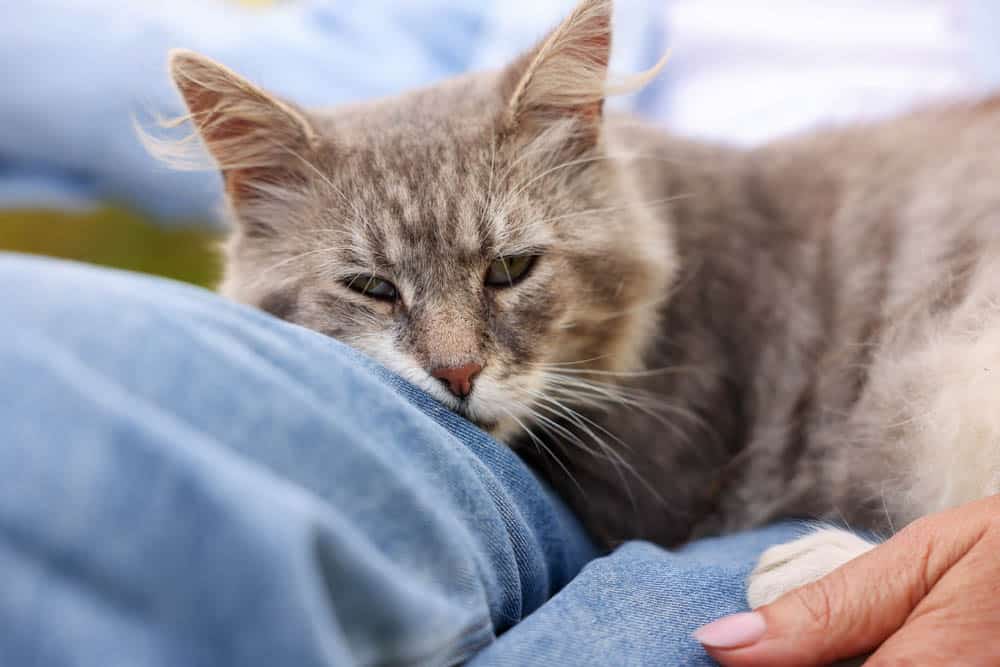
Pets are masters at hiding pain. By the time discomfort becomes obvious, it may already be affecting daily life.
Effective pain management can:
- Improve comfort and mobility
- Support faster recovery after surgery
- Reduce inflammation
- Improve quality of life
- Encourage normal eating and activity
- Help senior pets remain active longer
Regular veterinary exams help identify pain early, especially in aging pets and active dogs.
Conditions We Commonly Treat
Our veterinary team provides pain management for a variety of conditions, including:
- Arthritis and joint disease
- Orthopedic injuries
- Soft tissue injuries
- Dental disease
- Surgical recovery
- Neurologic conditions
- Age-related mobility changes
- Cancer-related discomfort
Every pet experiences pain differently. Treatment plans are adjusted based on the pet’s age, lifestyle, health status, and individual needs.

Our Approach to Veterinary Pain Management
Pain control starts before discomfort becomes severe.
We use a multimodal approach, which means combining appropriate medications and therapies to provide effective relief while minimizing side effects.
Treatment recommendations may include:
Surgical Pain Management
Pain management begins before many procedures and continues throughout recovery. Managing pain proactively often leads to a smoother recovery experience.
Chronic Pain Management
For pets living with arthritis or other long-term conditions, ongoing pain management can help improve comfort and mobility.
Plans may include:
- Prescription medications
- Joint support recommendations
- Weight management guidance
- Activity modifications
- Routine monitoring and follow-up care
As your pet’s needs change, we adjust the treatment plan accordingly.
Veterinary Anesthesiology for Dogs and Cats
Anesthesia allows pets to undergo procedures safely and comfortably while preventing pain and stress.
Procedures that commonly require anesthesia include:
- Spay and neuter surgeries
- Soft tissue surgeries
- Dental cleanings and extractions
- Mass removals
- Wound repair
- Diagnostic procedures
- Advanced imaging
Many pet owners feel nervous about anesthesia. That’s understandable. Our veterinary team carefully evaluates every patient and develops an individualized anesthetic plan designed around their health, age, breed, and procedure.
Pre-Anesthetic Evaluation
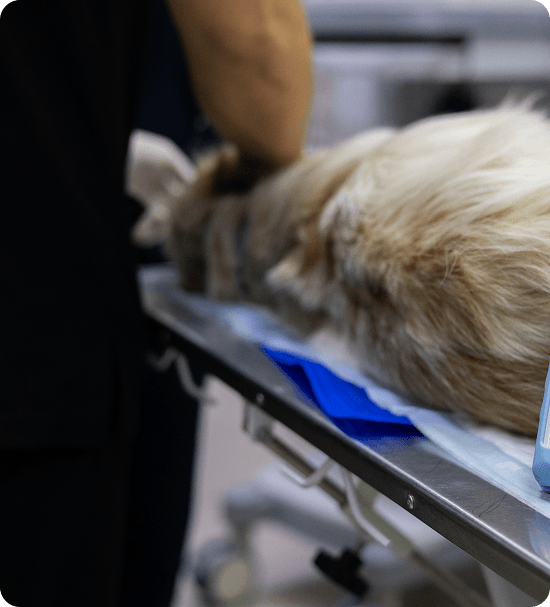
Before anesthesia, we perform a thorough assessment that may include:
Throughout your pet’s procedure, trained team members monitor:
- Physical examination
- Medical history review
- Current medication review
- Pre-anesthetic laboratory testing
- Discussion of individual risk factors
This information helps us determine the safest anesthesia protocol for your pet.
Advanced Monitoring During Anesthesia
Anesthesia requires constant attention.
Throughout your pet’s procedure, trained team members monitor:
- Heart rate and rhythm
- Blood pressure
- Oxygen levels
- Respiratory function
- Body temperature
Monitoring allows us to respond quickly and make adjustments as needed throughout the procedure.
Experience with Special Patient Groups
Some pets require additional anesthetic planning and monitoring.
Brachycephalic Breeds
Breeds such as French Bulldogs, Bulldogs, Boston Terriers, and Pugs often have unique airway considerations. Careful preparation and recovery monitoring are especially important for these patients.
Sporting and Performance Dogs
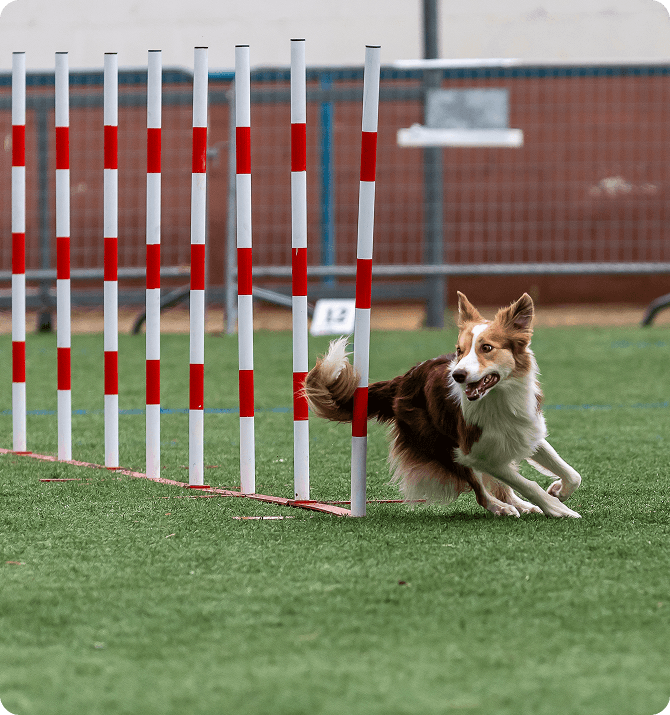
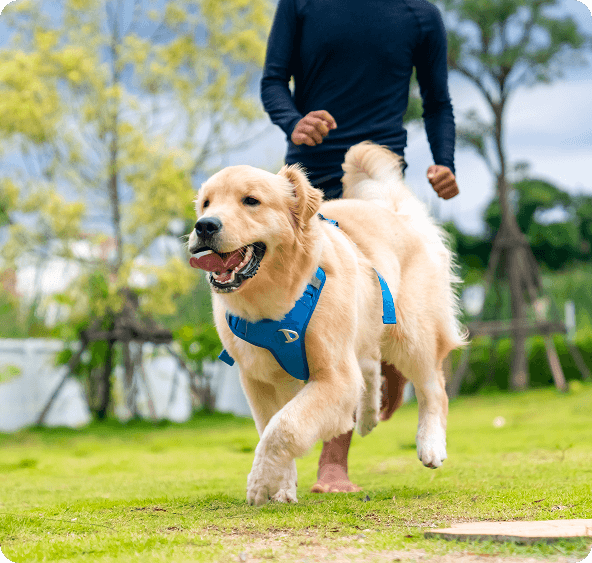
We see many sporting and performance dogs throughout the Minnetonka area. These active patients often have unique orthopedic and conditioning considerations that influence pain management and recovery planning.
Dogs with Jobs
Service dogs and working dogs rely on their physical health every day. Our veterinary team develops individualized treatment plans that support both recovery and long-term function.
Breeding Dogs
Breeding dogs may have unique medical considerations that influence anesthetic planning. We take those factors into account when developing treatment recommendations.
Recovery and Post-Procedure Care
Pain management continues after the procedure is complete.
During recovery, our veterinary team closely monitors patients as they wake from anesthesia and provides post-operative pain control recommendations based on the procedure performed.
You’ll receive clear discharge instructions, medication guidance, and information on what to expect during recovery at home.
Why Choose Glen Lake Animal Hospital?
As a neighborhood veterinarian serving Minnetonka, Hopkins, Eden Prairie, and Excelsior, we focus on individualized care and whole-animal care.
Our approach includes:
- Tailored medicine for every patient
- Thorough pre-anesthetic evaluations
- Continuous anesthesia monitoring
- Proactive pain management
- Experience with brachycephalic breeds
- Experience with sporting and performance dogs
- Experience with service and working dogs
- Ongoing follow-up and support
We consider it a privilege to care for pets and the families who love them.
Helping Your Pet Stay Comfortable Starts Here
Whether your pet needs surgery, a dental procedure, or support for chronic pain, our veterinary team is here to help. At Glen Lake Animal Hospital, we take the time to develop individualized treatment plans that prioritize comfort, safety, and long-term quality of life.
Call (952) 935-1232 to schedule an appointment and learn more about our pain management and anesthesiology services in Minnetonka, MN.
Do You Have More Questions?
Call us today at (952) 935-1232
Frequently Asked Questions